|
|||||||||||
|
|||||||||||
|
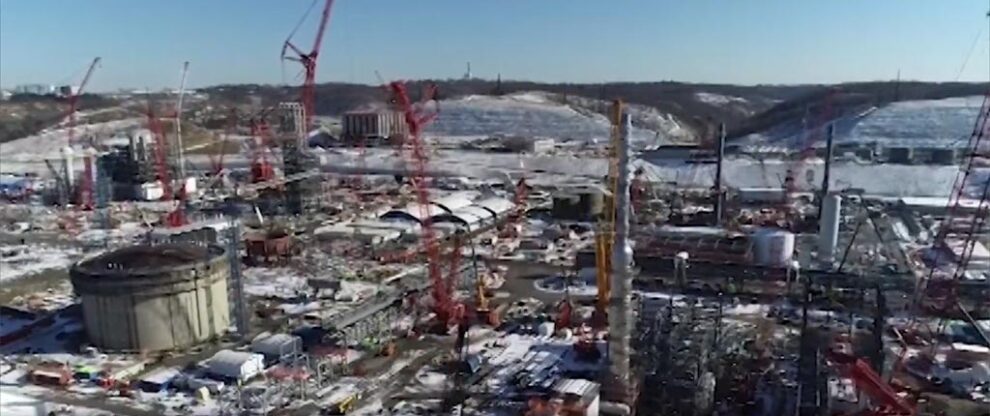
This OpEd originally provided by The Charleston Gazette October 3, 2007Mel Tyree Act now to stop building of coal-to-liquid plants In the Aug. 22 Gazette commentary Stopping climate change cant wait until mid-century, it was reported that humanitys chances of avoiding catastrophic climate change from global warming were as high as 52 percent to 74 percent. Very recent research has made these optimistic estimates inaccurate. The higher estimates were based on some of the best information at the time, including Nicholas Sterns 2006 study The Economics of Climate Change. In early September, Boulder Colorados National Ice and Snow Data Center released a satellite study documenting a greatly accelerated melt rate for the Arctic ice cap. Their results indicate the entire Arctic ice cap could be open water as early as the summer, after 2030, not 2070 as earlier thought. Their research team also suggests the Arctic ice cap may now be past its tipping point for irreversible melting. Also not available for the Stern Report was data published in the August 2007 issue of Scientific American. Worldwide carbon dioxide, the major gas causing our climate to change rapidly, emission rates have tripled between 2000 and 2004 compared to the 1990s. It appears we are not strolling toward catastrophic global warming, we are racing there at full throttle. The UNs Intergovernmental Panel on Climate Change consists of a team of several hundred climate scientists from more than 100 countries. Their research from the past 20 years is widely accepted as the gold standard of climatological knowledge. They released a report on Sept. 19 that claimed the odds of avoiding catastrophic climate change now are very unlikely. This means 10 percent or less. Their interpretation of catastrophic climate change means extinction of a third of Earths wildlife species, water and food shortages for more than 2 billion people, massive coastal flooding and other severe economic and societal impacts. Because the Arctic ice cap is melting like an ice cube on a hot grill, the Department of Energy estimates that the United States CO2 emissions will rise by a third by 2030. China builds a new old-fashioned coal-fired power plant every 10 days. The IPCC scientists bleak forecast is probably accurate. However, there is still reason for hope, if we act promptly. It will require enormous individual involvement and sacrifice, but Americans shine the brightest when times are the gloomiest. Our grandparents met the challenge of two world wars and a Great Depression and built a better world. First, our states citizens can work to prevent 10 coal-to-liquid fuel facilities from being constructed in the Mountain State. Coal-to-liquid facilities refine coal into such fuels as diesel, jet fuel and gasoline. They create alternative fuels at about half the price as the current cost of a barrel of oil. However, the process emits twice the CO2 as regular oil refining. The poster child facility is South Africas Sasol plant. It does produce more than 150,000 barrels of transportation fuel a day, but its also reported to be the worlds largest single emitter of greenhouse gases. There is a push by several large coal corporations and some local politicians to get these plants permitted and built. Perhaps part of this rush centers on getting them approved before the federal government passes laws limiting greenhouse gas emissions and assessing carbon taxes. Big coal has avoided pollution laws in the past by getting coal-fired power plants grandfathered in before pollution laws were passed. For example, in the late 1960s, many power plants were built without air pollution control technology to beat passage of the Clean Air Act. Also, according to Jeff Goodell, author of Big Coal, a fleet of new coal-fired power plants is being planned in the United States in order to be grandfathered in before greenhouse gas reduction laws are passed. This behavior will increase corporate profits, but will be disastrous for future generations and creation. The fossil-fuel aspect of West Virginias master energy plan will be discussed at a state Public Energy Authority public hearing at 2 p.m. Oct. 25 at the Summit Conference Center, 129 Summers St. in Charleston. Coal-to-liquids technology is a centerpiece of the fossil-fuels aspect of the plan. Public comments are welcome, and its an opportunity to exercise citizen involvement. School kids are another untapped local resource in the fight to stop global warming. Back before the development of the Salk vaccine when polio was killing tens of thousands of people a year, school kids, through a national program called March of Dimes, changed history by raising money for research. While writing letters to politicians to pass climate change laws is not as much fun as downloading music from the Internet, it could send a powerful message to Congress. If local schools could cut red tape, bring in outside speakers or offer classes on climate change, instead of being Friends of Coal, it might help get kids energized. NASAs chief climatologist, Dr. Jim Hansen, is one of the worlds leading authorities on human-caused climate change and the leading expert on climatic tipping points. If his calculations are correct, and we have only eight years left to avoid the Earths tipping point for becoming a different planet, then prompt action is indeed required. Tyree, of Hurricane, is a geologist formerly of the state Department of Environmental Protection and a volunteer for the Ohio Valley Environmental Coalition.
|
||||||||||
|
|||||||||||