|
|||||||||||
|
|||||||||||
|
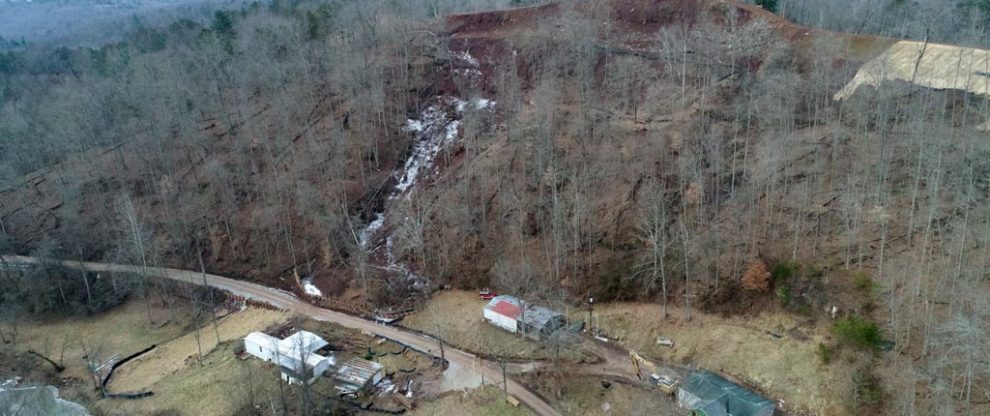
This article originally published by dozens of newspapers March 23, 2007Judge says corps' permits for valley fills violate law By PAM RAMSEY CHARLESTON, W.Va. (AP) -- A federal judge ruled Friday that the U.S. Army Corps of Engineers violated federal law when it issued valley fill permits for four mountaintop removal mines without adequately determining whether the environment would be harmed. U.S. District Judge Chuck Chambers rescinded the permits issued to Republic Energy Mine in Fayette County, the Camp Branch Mine in Logan County, and the Black Castle Mine and Laxare East Mine, both in Boone County. All four mines are operated by subsidiaries of Richmond, Va.-based Massey Energy. Chambers remanded the permits to the corps for further consideration. The ruling came in a lawsuit filed by the Ohio Valley Environmental Coalition and two other environmental groups, which sought to force the corps to perform more extensive environmental reviews before granting valley fill permits for the mines. The permits allow Massey to fill nearby valleys with dirt, rocks and other material removed to expose coal seams. The corps had maintained that more extensive reviews weren't necessary for the permits involved in the suit. Lawyers for the corps and Massey spokesman Jeff Gillenwater did not immediately return telephone messages left after hours. The issue of mountaintop removal and valley fills has been argued in state and federal courts in West Virginia for nearly a decade. Coal operators claim the practice is an efficient way to expose coal seams in the state's mountainous southern coalfields. Rock and refuse not used during the reclamation of the surface mine is dumped in valleys. Environmentalists label the technique destructive and point to a 2005 study that said mountaintop removal and valley fills had buried 1,200 miles of headwater streams in Appalachia. Headwater streams have several ecological functions, including nutrient cycling, maintenance of genetic diversity in aquatic life and movement of water and sediment, Chambers said. "The destruction of headwater streams and the trees and plants around them eliminates a large amount of organic material from the stream network and deprives downstream resources of the other functions typically served by headwater streams," Chambers wrote. The corps had argued that mitigation techniques, including restoring streams, would offset such functional losses. However, Chambers said the agency failed to assess the full impact of destroying headwater streams within a watershed. Since the corps' assessment was deficient, it "could not reasonably conclude that mitigation will offset the loss because it does not know what to replace," the judge said. Washington, D.C.-based Earthjustice, which represented the environmental groups, welcomed Chambers' ruling. "The Judge has made it clear that the Corps must now comply with the Clean Water Act and stop issuing illegal permits," Earthjustice attorney Steve Roady said in a news release. "This decision does give the Corps another chance to try and show that they can issue permits for valley fills in streams without violating the law. But the evidence to date shows that the Corps has no scientific basis - no real evidence of any kind - upon which it bases its decisions to permit this permanent destruction to streams and headwaters." Bill Raney, president of the West Virginia Coal Association, said he had not read the ruling and had no immediate comment Friday night. The coal association was an intervenor in the lawsuit. The other plaintiffs were Coal River Mountain Watch and the West Virginia Highlands Conservancy.
|
||||||||||
|
|||||||||||