Mountaintop removal coal mining and the "clean coal" oxymoron Stop mountain top removal coal mining - Ohio Valley Environmental Coalition

Fair Use Notice


This news story originally provided by The Herald-Dispatch

August 25, 2005

Environmentalists call proposed buffer-zone change 'absurd'

By JOHN RABY
Associated Press Writer

CHARLESTON, W.Va. (AP) -- Environmentalists on Wednesday labeled as "absurd" a proposal that would relax a federal mining regulation which requires a 100-foot buffer zone around streams in areas where strip mining is conducted.

The U.S. Office of Surface Mining proposed easing the federal buffer zone rule in January 2004, saying current policy is impossible to comply with during mountaintop removal mining.

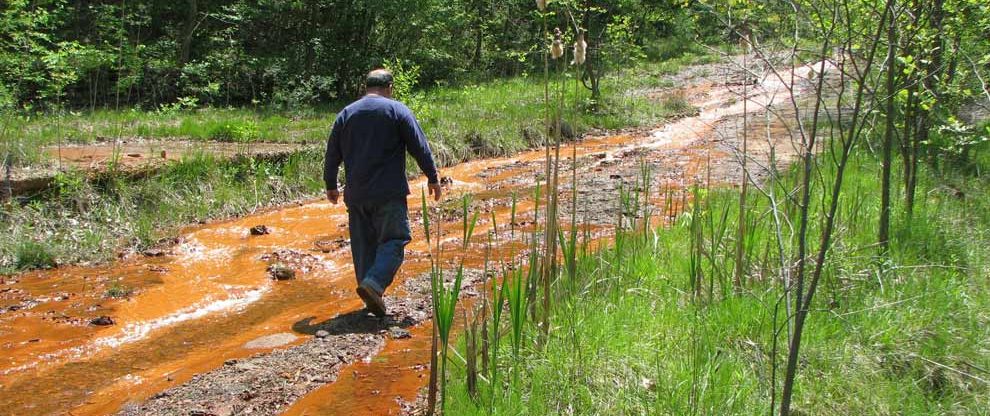
The current rule says mining cannot disturb land within 100 feet of a stream unless a company can prove it will not affect the water's quality and quantity. The proposed change would require coal operators to minimize only "to the extent possible" any damage to streams, fish and wildlife by "using the best technology currently available."

"Leave the rule as it is and enforce the rule. Don't weaken it. Protect our lives and our land," said Maria Gunnoe, who lives on Island Creek Mountain in Boone County.

Her property, which includes various orchards and gardens, has seen seven floods in the five years since a 1,183-acre mountaintop mining operation began in a nearby hollow.

"The forested mountains and streams running through them are a part of our identity as the Appalachian people. These are our hunting and gathering grounds. Here lie our family cemeteries," Gunnoe said. "How will our children know how to hunt and use ginseng if the mountains and the streams that support the ginseng are destroyed forever?"

Gunnoe was part of a news conference held by the coalition Friends of the Mountain before OSM's meeting in Charleston on Wednesday night. It was one of four meetings the agency is holding this week in eastern coal states on the buffer-zone rule.

The buffer zone rule was the key issue in a West Virginia lawsuit first filed in 1998 by several coalfield residents and the Highlands Conservancy against the West Virginia Department of Environmental Protection in a bid to outlaw mountaintop removal mining.

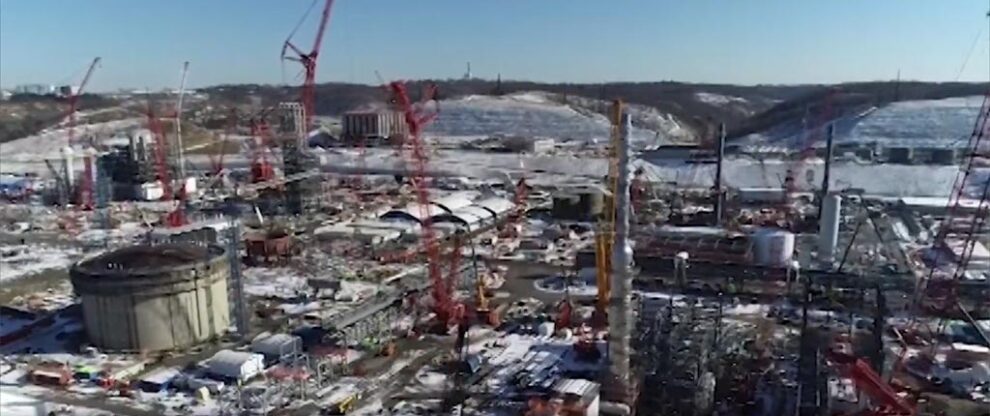
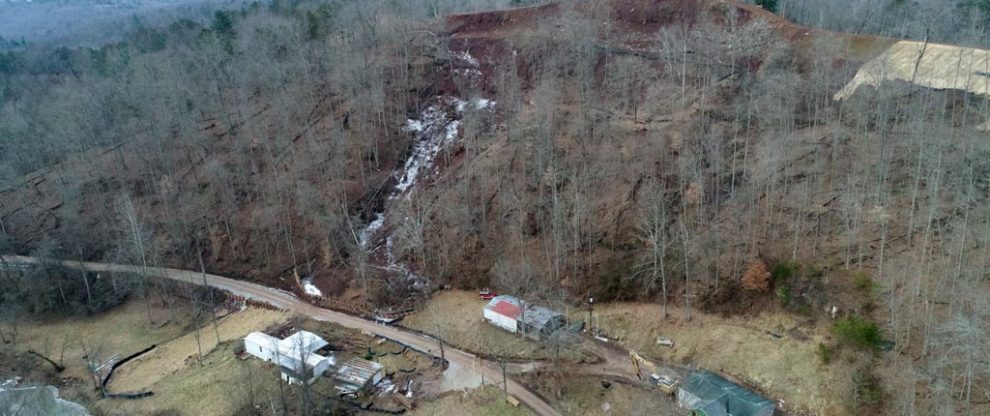
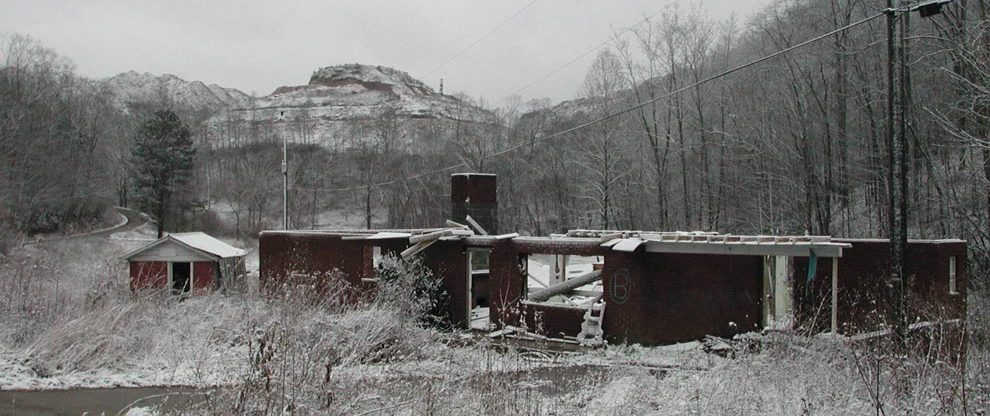
Mountaintop removal mining involves shearing off the tops of ridges to expose a coal seam. Dirt and rock are pushed below, often in stream beds, a practice known as valley fill.

Although a federal judge in West Virginia ruled in favor of the residents, the 4th U.S. Circuit Court of Appeals concluded the case should have been filed in state court, not federal.

The latest round of meetings seek comment on how officials should conduct the environmental impact statement for the proposed rule change, according to OSM officials.

"As OSM moves into the environmental impact statement on the proposed absurd rule change, do an honest evaluation of the negative impact the valley fills on our lives and culture," Gunnoe said. "If you weaken the buffer-zone rule, you destroy the streams that are the lifeblood of our community."

David Hartos, a physical scientist for the OSM, said federal surface mine law does not include a buffer-zone requirement. The requirement was created through regulations and as long as mining companies attempt to minimize damage to streams and aquatic life, "the regulatory authority can allow encroachment."

Other OSM meetings were held previously in Knoxville, Tenn., and Hazard, Ky. Another is planned Thursday in Pittsburgh.


   Smart Counter Details   OVEC Home   Issues   Contact   Join   Site Map