Ohio Valley Environmental Coalition

Fair Use Notice


This news story originally provided by Lexington Herald-Leader

August 1, 2005

Mining, reclamation facts aren't pretty

By Erik Reece

Waking up on July 5 and reading J. Steven Gardner's dangerous paean to mountaintop removal mining is no way to start the day. I would hesitate to return volley in this "he said-she said" debate over strip mining in Kentucky if the stakes were not so high.

Since I wrote an article about this poisonous form of mining for Harper's magazine and since Wendell Berry organized the Authors' Tour of Mountaintop Removal, several representatives of the coal industry have accused us of making "emotional claims."

Gardner accuses me of writing "fiction" (a charge that will surprise the professional fact-checkers and lawyers at Harper's). But since Gardner wants only the facts, let me supply a few.

In the last three years, 14 people died in West Virginia because walls of mud and water roared down from mountaintop removal mining sites. That's a fact.

In the last five years, more than 50 people have been killed in Kentucky by illegally overweight coal trucks. That's a fact.

In Virginia, a boulder rolled 200 feet down from a mountaintop removal site and crushed to death a sleeping 3-year-old, Jeremy Davidson. That's a fact; just ask his parents.

Gardner writes that mountaintop mining's critics overlook the reclamation of mine sites. But the truth about reclamation in Kentucky is that it is usually done poorly or not at all. To replace the most diverse ecosystem in North America with a monoculture of invasive, often exotic grasses is cheap, easy and irresponsible.

But the real story is that there exists so much abandoned mine land in Appalachia that the Department of Interior doesn't even try to account for it all. Coal companies have to put up bond money before they receive permits to mine. If a company does not stick around to do any reclamation, the bond money is meant to cover the cost, but it is never enough to do so.

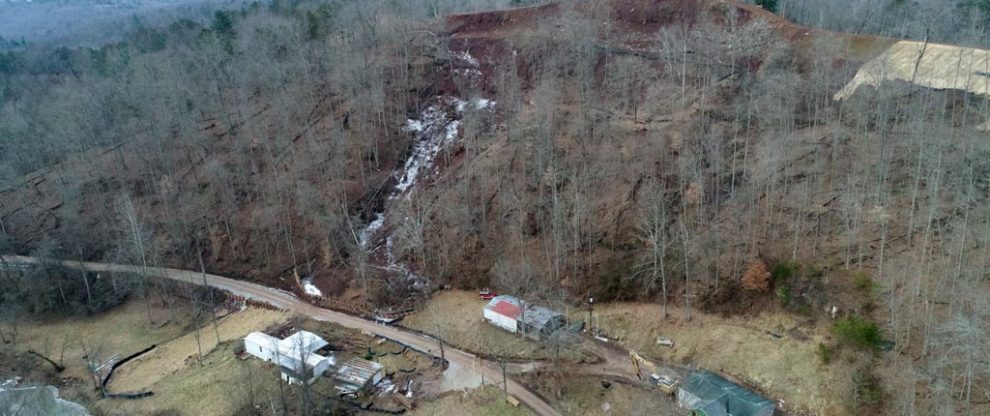
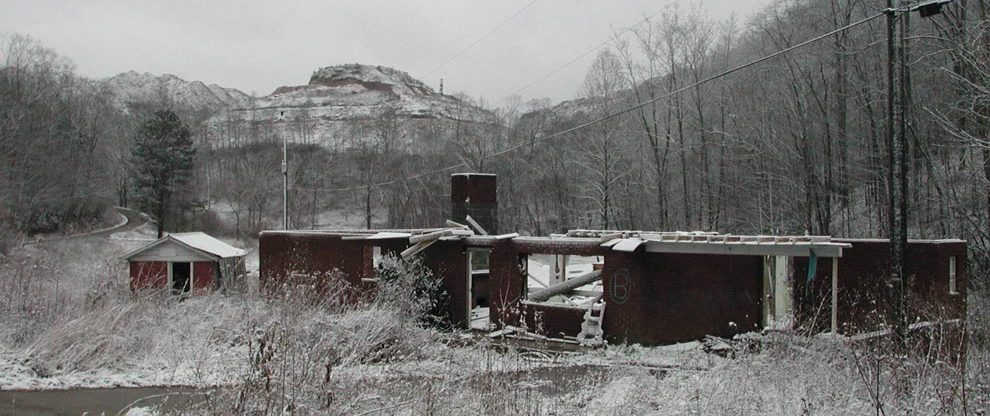
What do the coal operators do? Too many simply declare bankruptcy, leave the mine site as a toxic hazard and start up a new company somewhere else. That is why there are so many gray, lifeless plateaus spread across Eastern Kentucky, sites that may never be reclaimed.

There are certainly good people trying to mine coal with the least damage to people and property. But a corporation has one goal: the bottom line.

Don Blankenship, CEO of Massey Energy, knows that his overloaded coal trucks are killing people. So why won't he rein in his drivers? Massey Energy knew that its slurry pond in Martin County would eventually give way. Yet no repairs were made, and the result was the 300-million-gallon slurry disaster of 2000.

Finally, as a teacher who regularly takes writing students to the University of Kentucky's Robinson Forest, I was most disturbed by Gardner's suggestion that UK "should do the right thing" and mine more of the forest.

I want my students to understand that the natural world, Robinson Forest in particular, holds higher values than that, including the spiritual, the aesthetic, the ecological, the sustainable, the redemptive. Those values may not be "facts," but they are the basis of a humane, democratic culture.
 

   Smart Counter Details   OVEC Home   Issues   Contact   Join   Site Map