Ohio Valley Environmental Coalition

Fair Use Notice


This opinion originally provided by The Herald-Leader

July 5, 2005

Mountaintop mining critics ignore reclamation

By J. Steven Gardner

A May 29 Herald-Leader article about mining quoted a true expert, University of Kentucky Professor Don Graves, who has shown that trees can grow better on mined land.

Fiction writers such as Eric Reese and Silas House are entitled to their opinions, but just saying something does not make it so. Editorials have long accepted emotional claims of a few as fact, what I term a "rape of the truth."

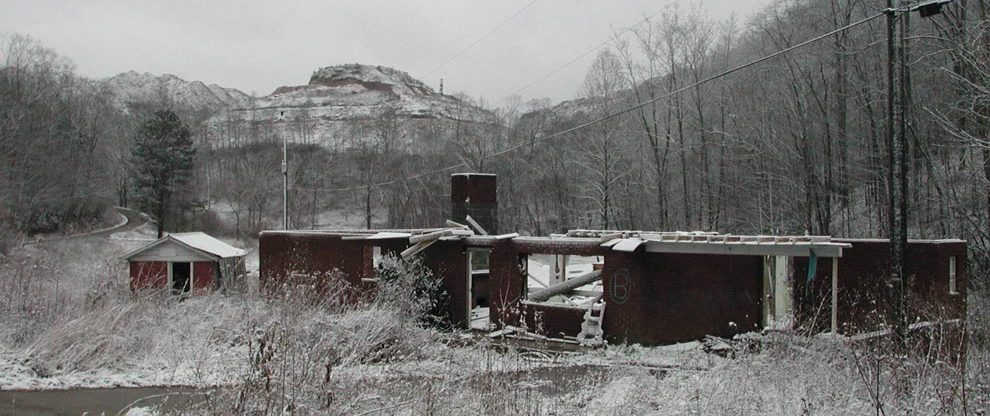
Rarely has the true aftermath of surface mining been shown, i.e. mines reclaimed for homes out of floodplains, industry, business, hospitals, schools, prisons, farms, airports, golf courses, recreation areas and now forests.

I recently played golf at StoneCrest, a former mine site, where Kentucky Attorney General Greg Stumbo lives.

Not every site is developed for beneficial reuse, at least not yet. Mining by its nature is destructive, but reclamation is constructive. Mining is a transitional land use. Mountaintop mining is not leveling Appalachia. Environmental Protection Agency studies demonstrate that only 6.8 percent of the region has or can be mined by this method.

Look back at errors in the April 21 issue describing mountaintop mining. Large draglines are no longer in widespread use. Large areas of vegetation are cleared just as logging, highways, housing and development clear land. Reclamation helped wildlife return to Appalachia, evidenced by prolific elk herds. Streams are not destroyed. Urban developments and roads use the same fill process and have a greater effect on the environment.

Blasting can cause damage, and companies are held accountable when it happens. Mining does not cause widespread flooding; research has shown that mining can actually retard peak flows. This is another case of repeatedly making outrageous claims until they are accepted as facts.

The Appalachian Mountains were formed by erosion over the eons. Mining is accelerated erosion and, if done properly, poses no more environmental harm. Author Ann Shelby's May 12 column of the coal education Web site should have mentioned that the site is based on scientific and engineering fact.

The Mountain Justice Summer organization should take into consideration wishes and desires of people who actually own the mountains. Mountaintop mining cannot be done without the surface owner's permission, which in many cases is a local person, not an out-of-state corporation.

I am horrified at the lack of open-mindedness in the authors' statement, which was subsidized by public funds. Universities are supposed to be open forums of debate and learning. I attended Earth Day events at Eastern Kentucky University but read about UK. There was no balance of opinion, no presentation of facts. Where were the real experts?

The Robinson Scholars article on May 8 raises another point: What made that program possible? A significant windfall from mining UK property. There was no environmental disaster. UK still has coal reserves. With budget shortfalls, UK should do the right thing and use its natural resources for its primary mission: education and research. The results would be potentially tens of millions of dollars in revenue and an opportunity to demonstrate again how mining can be conducted responsibly, providing a living environmental laboratory.

The universities and the Herald-Leader have done a disservice to fairness and justice. The authors are guilty of horrible misrepresentations that perpetuate myths. Editorials have attempted to sway public opinion with misinformation that has extended to most so-called news articles.

The mining industry is made up of people and is not some evil empire. When mistakes are made, people or companies should be accountable, just as authors, newspapers and universities should be accountable for trying to turn fiction into fact.

J. Steven Gardner of Lexington is an engineering consultant.

   Smart Counter Details   OVEC Home   Issues   Contact   Join   Site Map