Mountaintop removal coal mining and the "clean coal" oxymoron Stop mountain top removal coal mining - Ohio Valley Environmental Coalition

Fair Use Notice


This news story originally provided by The Charleston Gazette
January 8, 2005

Chesapeake; Left in the dust

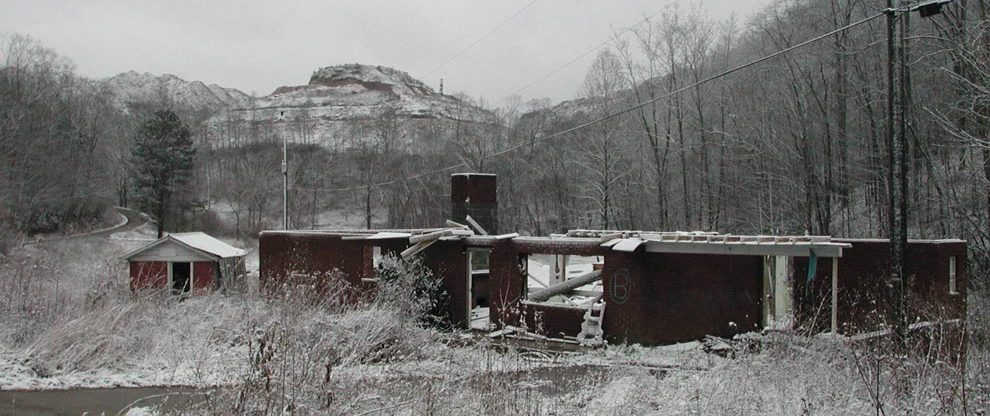
The town of Chesapeake has just 1,800 people, many of them elderly, and they would like to keep their community clean. Chesapeake’s problems are caused by overweight coal trucks spreading dust and grime and crunching asphalt beneath them.

Chesapeake thought it had solved the problem five years ago, when the city bought a set of scales to enforce its 65,000-pound weight limit. Rather than stop and be weighed, trucks bypassed the tiny town, traveling mostly via the West Virginia Turnpike, an interstate highway. In about two months, the city had shoveled away the coal dirt and cleaned up the place.

But the new state coal truck law that took effect last year routed hundreds of trucks back through Chesapeake with as much weight and grime as ever, residents say.

The Legislature allowed monster trucks to carry up to 120,000 pounds on certain roads, mostly in southern West Virginia. That includes W.Va. 61 through Chesapeake. Interstate highways allow only 80,000 pounds, so the trucks cannot be legally detoured onto the turnpike.

State officials responsible for enforcing the new limits say the law has been an improvement. The law brought loads down to 120,000 pounds after trucks had been illegally hauling 150,000 pounds or more previously. Also, in exchange for a relatively high weight limit, coal companies agreed to tougher enforcement, a permitting process and a fee to help pay for road repairs.

But this law has had problems from the start. Coalfield residents wanted enforcement of the former, lower weight limit, not acceptance of overweight trucks. They wanted protection from the deadly vehicles, the dirt they generate and the costly damage they do to public roads.

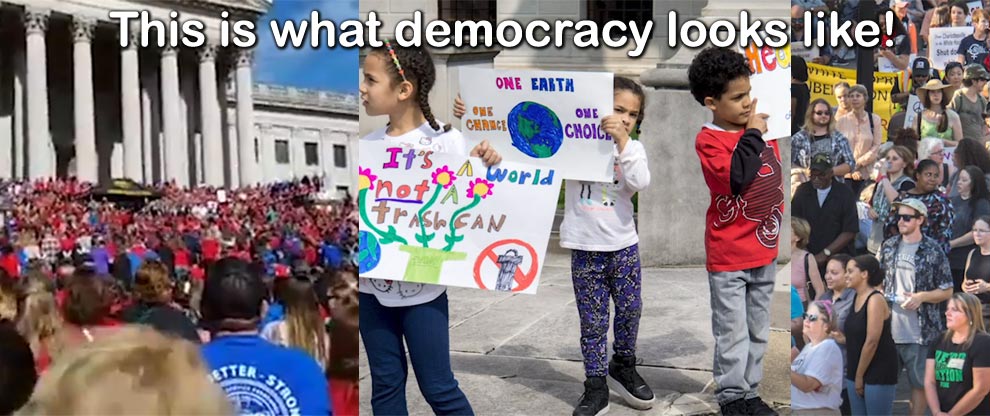
But instead of enacting sensible weight limits, lawmakers were intimidated by coal haulers who surrounded the Statehouse and threw their weight around. Just because the Legislature accepted the overweight trucks and made them legal, does not mean that the roads and bridges they use can support their extra heavy traffic any better. There has been some progress in upgrading roads and bridges, but not enough to keep up with the truck traffic.

West Virginia is subsidizing for-profit coal companies in the form of costly road repairs and less-tangible costs, such as the kind the people of Chesapeake pay. It is too high. The state must insist that coal and other shippers run trucks that roads were meant to handle.

A pleasant Kanawha Valley town shouldn’t be ruined by dirty, noisy, dangerous monsters.
 

   Smart Counter Details   OVEC Home   Issues   Contact   Join   Site Map